Blog
Carbon Insetting vs Offsetting: What Coffee Companies Need to Know
Carbon insetting means sequestering carbon within your own supply chain — not buying credits from unrelated projects. Here's why coffee companies are making the switch.
What Are SBTi FLAG Targets and Why Coffee Companies Must Act
Coffee is one of seven mandatory commodities under SBTi FLAG. Here's what that means for your science-based targets and Scope 3 reporting.
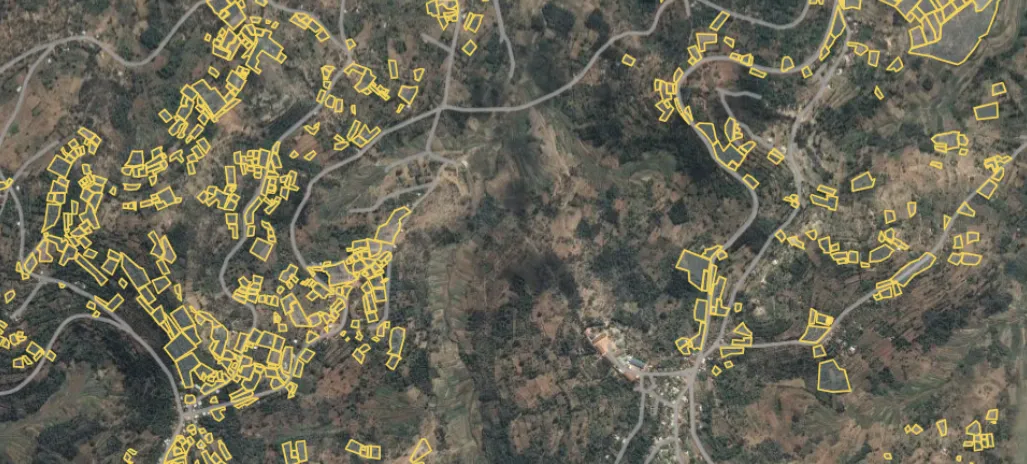
How Satellite Monitoring Measures Carbon in Coffee Farms
Satellite remote sensing combined with bespoke allometric equations enables farm-level carbon measurement across 250,000+ coffee farms. Here's how it works.
What the EU Green Claims Directive Means for Coffee Companies
The EU is tightening rules on carbon neutrality claims. Offset-based strategies are at risk. Here's what coffee companies need to know about the Green Claims Directive.
Why Generic Carbon Standards Don't Work for Coffee
Generic forestry and agricultural carbon standards weren't built for coffee agroforestry. Here's why coffee needs its own measurement approach.
How Soil Carbon Is Measured on Coffee Farms
Loss on Ignition testing, stratified sampling at 30cm depth, and why below-ground carbon matters as much as above-ground biomass for verified carbon credits.
What Are Allometric Equations and Why Coffee Needed Its Own
Allometric equations convert tree measurements into carbon estimates. Until F.O.C.U.S.™, none existed for coffee — making accurate carbon measurement in coffee farms impossible.
From Nursery to Field: How GAP77™ Builds Healthy Coffee Trees from Day One
Seedling health determines farm productivity for years. Here's how GAP77™'s nursery operations, root protection, and transplanting practices give coffee trees the best start.
The Fishbone System: Zero-Pump Irrigation Built for Coffee Farms
How GAP77™'s gravity-fed Fishbone irrigation system manages water across sloped coffee farms — preventing erosion, redistributing nutrients, and keeping flavour consistent.
From Cherry Waste to Carbon: How Coffee Farms Turn Pulp into Soil Fertility
GAP77™ turns coffee cherry waste into biochar, compost, and worm castings — creating a closed-loop system that sequesters carbon and rebuilds depleted soils.
AI Alerts, Manual Scouting, and Organic Pest Control on Coffee Farms
How GAP77™ combines AI-driven weather alerts, regular farm scouting, and organic interventions to manage pests and disease across 250,000+ coffee farms.
16 Million SMS Alerts: How AI Drives Precision Agriculture on Coffee Farms
Every GAP77™ practice is triggered by specific weather conditions. Here's how AI-powered SMS alerts tell 250,000+ farmers exactly what to do and when.
What Soil Testing Reveals About Coffee Farms — And Why It Matters
Before GAP77™ practices begin, soil sampling reveals the baseline: depleted nutrients, high acidity, and missing microbiology. Here's how F.O.C.U.S.™ tests and tracks soil health.
Why Every Coffee Farm in the Programme Grows Bananas
Banana intercropping isn't optional in GAP77™. It provides shade, income, mulch, worm feed, and wind protection — here's how the system works.
Pruning, Stumping, and Nicking: Managing Coffee Tree Architecture for Yield
GAP77™ pruning techniques — from canopy management to stumping old trees — maintain productivity across a coffee tree's entire lifecycle.
Partner with us
The Pathway Forward
F.O.C.U.S.™ on your carbon and sustainability goals.
Get in touch →